
From the US to India, researchers from all over the world are working on project MaRGAN: «Mapping Religion in the Global Anglophone Novel, 1890-1980». The goal of MaRGAN, however, is not only to map the representation of religion in English-speaking novels, but to create an accessible database for future research to draw upon. The University of Agder is one of many universities participating in this project.
As an second-year MA student of English Literature, I was asked to participate in this project alongside two of my classmates. We were given a list of around thirty-two keywords, and our task was to look through a novel each and decide which five or six keywords fit the novel the most. Once we had a selection, we had to write approximately 150 words for each keyword to connect it with the novel. The novels in question were ones we were previously familiar with through our studies, making the process a bit more efficient than if they were brand new to us.
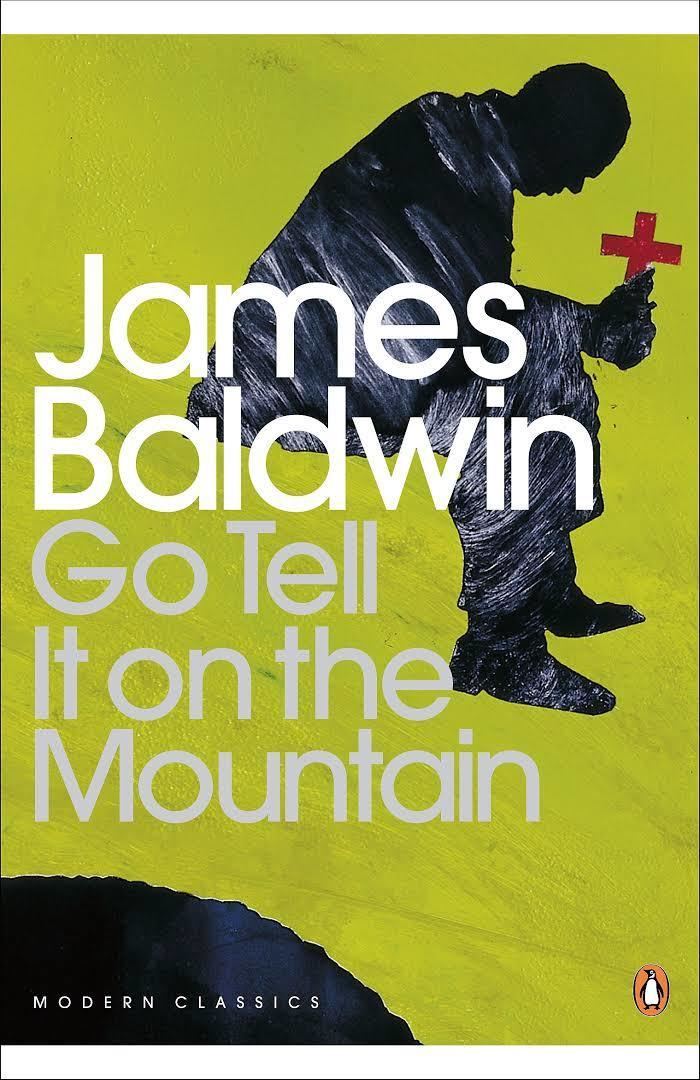
For James Baldwin’s novel «Go Tell It on the Mountain», I chose the keywords “Body”, “Sexuality”, “Belief”, “Experience”, “Critique”, and “Ritual”. I then wrote short summaries on how each keyword connected with the representation of religion in the novel. What this means for the MaRGAN database is that when a user searches for “Sexuality”, Baldwin’s novel will pop up alongside all other novels with that keyword attached to it. The user will then find my summary of how sexuality relates to religion in «Go Tell It on the Mountain», and can more easily compare Baldwin’s novel with other novels listed under «Sexuality».
After the three of us were done with our initial novel, we had a meeting. We discussed problems and questions we had throughout the process, and I used the feedback I received to edit my work before sending it to our project supervisor, Professor Jamie Christopher Callison. We then had a meeting with our supervisor to discuss the process so far before we moved on to our next novels.
My second novel was R. K. Narayan’s «The Guide». I applied the same process as with the last novel. I looked through «The Guide» until I had around five suitable keywords. Once I had that, I wrote my summaries and shared them with my fellow students. This time, however, we were also tasked to make a guide for those participating in our work in the future. We discussed the contents of the guide as a group, but we decided to do the editing individually.
The work was challenging in some ways. Having to narrow down an entire novel’s exploration of a theme to just 150 words is harder than it sounds. It was also difficult to choose only about five keywords for each novel, as many keywords were at least partially relevant to the books in question. However, we solved this by prioritising the most obvious candidates, recognising that not every keyword is important enough to be included. However, the work as a whole was engaging. It allowed me to participate in an exciting research project without distracting me too much from my studies or personal life. I also received excellent help from my project supervisor and classmates, making the project that much more enjoyable.
Finally, It is worth noting that all of my work has been remote. I write this while on exchange in Liverpool, and all my reading and analysis for the project has been done in the UK. The digital nature of MaRGAN is ideal for its international scope, allowing researchers and students from all over to participate in the database’s creation. And there is, of course, more work to be done. Many more novels must be analysed and added to the database to make it as useful as possible, but great work has been (and continues to be) done by skilled researchers all over the globe.